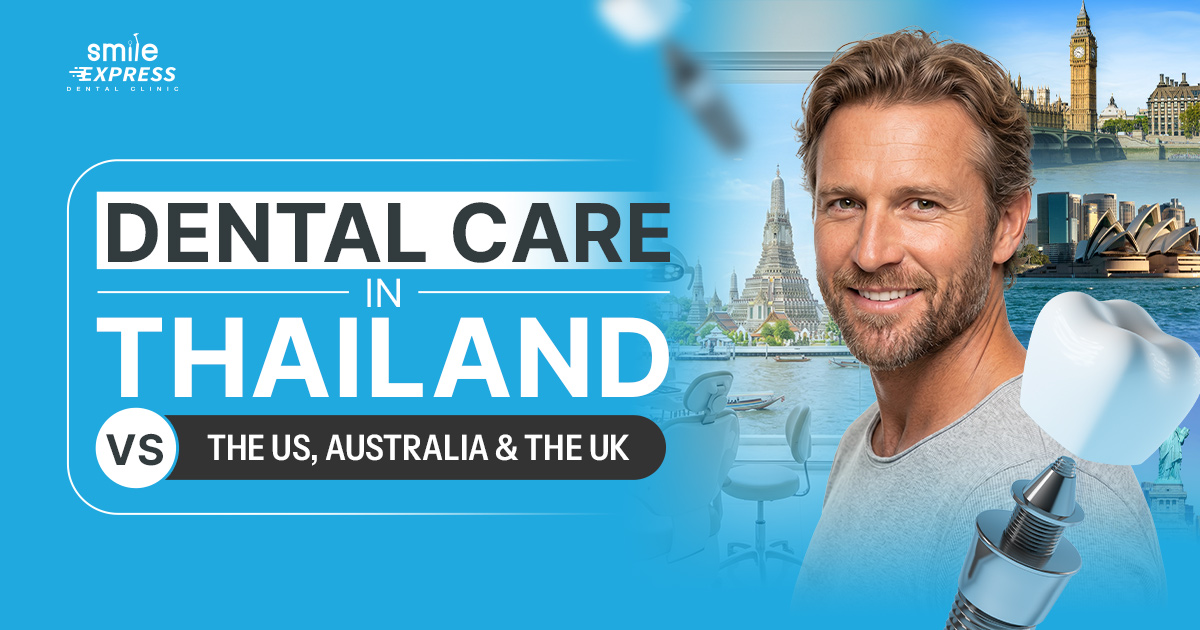
When patients consider traveling to Thailand for dental treatment, one question consistently appears: “How does dental care in Thailand compare to care in the US, Australia, or the UK?” The comparison is more complex than cost alone. Quality, training, regulatory structure, accessibility, and healthcare systems all influence the experience. This article examines the real differences so patients can make an informed decision.
Cost Structure Differences Between Thailand vs US, Australia, and the UK
The most visible difference is cost. In countries such as the United States and Australia, dental fees are influenced by:
- High clinic rental costs
- Labor expenses
- Insurance administration
- Malpractice insurance premiums
- Regulatory compliance costs
Thailand generally has:
- Lower operational costs
- Lower labor costs
- Less insurance-driven billing complexity
These structural differences allow Thai clinics to offer competitive pricing while still using modern equipment and materials. Lower cost does not automatically mean lower quality — it often reflects economic structure.
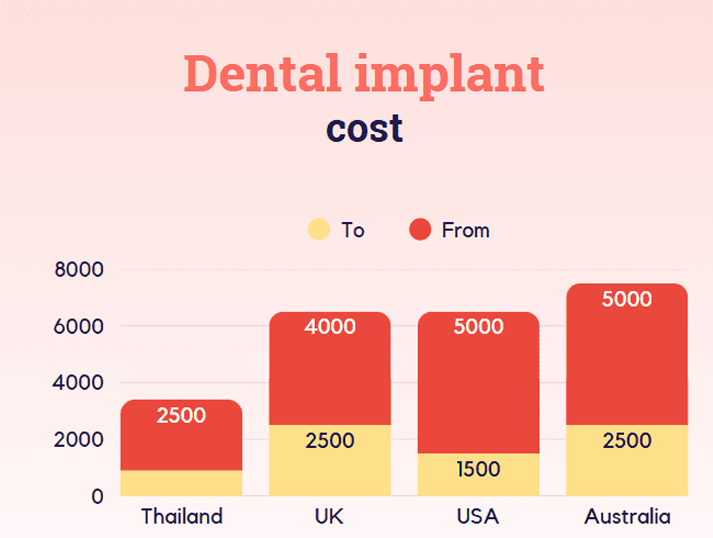
Estimated Dental Implant Cost Comparison
Approximate dental implant price ranges between Thailand, the UK, the US, and Australia.
Education and Professional Training
Dentists in the US, Australia, and the UK undergo highly regulated education systems. Thailand also has well-established dental universities and specialist training programs.
1. International Continuing Education
Many Thai dentists pursue postgraduate education, international certifications, and continuing education courses.
2. Experience Matters More Than Nationality
Competence depends on the individual dentist, not nationality. Patients should evaluate:
- Years of experience
- Implant case volume
- Specialization focus
- Advanced training credentials
Advanced Dental Technology and Equipment
Modern dental technology is widely available in all four countries.
Common Technologies Used
Leading clinics commonly use:
- 3D CBCT imaging
- CAD/CAM crown systems
- Intraoral scanners
- Guided implant surgery
Thailand’s leading dental clinics often invest heavily in digital workflows to remain competitive in dental tourism markets. Many facilities in Bangkok are comparable to clinics in major Western cities.
Regulatory Standards and Safety
The US, Australia, and the UK operate under highly structured regulatory frameworks. Thailand also maintains licensing standards and healthcare oversight, though enforcement intensity may differ between regions.
Questions Patients Should Ask
Instead of focusing only on the country, patients should evaluate the clinic directly:
- Is sterilization visible and organized?
- Is diagnosis thorough?
- Are treatment plans documented clearly?
- Does the clinic explain risks and alternatives?
Internal clinical systems often determine quality more than external regulation alone.
Waiting Times and Accessibility
In the UK’s NHS system, waiting times for certain procedures may be extended. In the US and Australia, private access is often faster but more expensive.
Thailand typically offers:
- Shorter scheduling times
- Flexible appointment coordination
- Concentrated treatment planning
- Faster access to specialists
For patients who require timely treatment, accessibility can be a major advantage.
Communication and International Patient Support
Language barriers can affect patient confidence when traveling abroad.
English-Speaking Support
Many international dental clinics in Thailand provide:
- English-speaking staff
- Written treatment plans
- Digital consultations
- Clear communication systems
Patients should confirm communication comfort before committing to treatment.
Recovery Environment in Thailand
Bangkok offers a developed hospitality infrastructure that supports dental tourism.
Recovery Benefits for International Patients
Patients often appreciate:
- International airports
- Modern hotels
- Reliable transportation systems
- Diverse food options
- Relaxing travel experiences during recovery
Risk Evaluation Before Choosing Dental Treatment Abroad
Risk increases when decisions are based only on the lowest advertised price.
Common Red Flags
Patients should be cautious of:
- Unrealistic promises
- Lack of diagnostic transparency
- Poor communication
- Incomplete treatment explanations
Safety depends more on clinical responsibility than geography.
When Does Dental Care in Thailand Make Sense?
Thailand may be appropriate when:
- Domestic treatment costs are prohibitively high
- Patients are comfortable traveling
- Treatment can be planned efficiently
However, it may not be ideal for patients who require frequent in-person follow-up or have unstable medical conditions.
Final Thoughts: Thailand vs US, Australia, and UK Dental Care
Dental care in Thailand, the US, Australia, and the UK can all produce excellent outcomes. The difference lies in cost structure, accessibility, travel requirements, and individual clinic standards.
The safest approach is not choosing a country first — but evaluating the clinic, dentist, and treatment plan thoroughly. An informed decision reduces uncertainty and helps patients achieve better long-term results.
Book an Online Consultation
Still comparing dental care in Thailand vs the US, Australia, or the UK? Our experienced team can help you understand your treatment options, estimated costs, timeline, and whether traveling for dental care is the right choice for you. Get a personalized online consultation before you travel and make a confident, informed decision about your smile: https://www.dentalsmilebangkok.com/contact-us/